
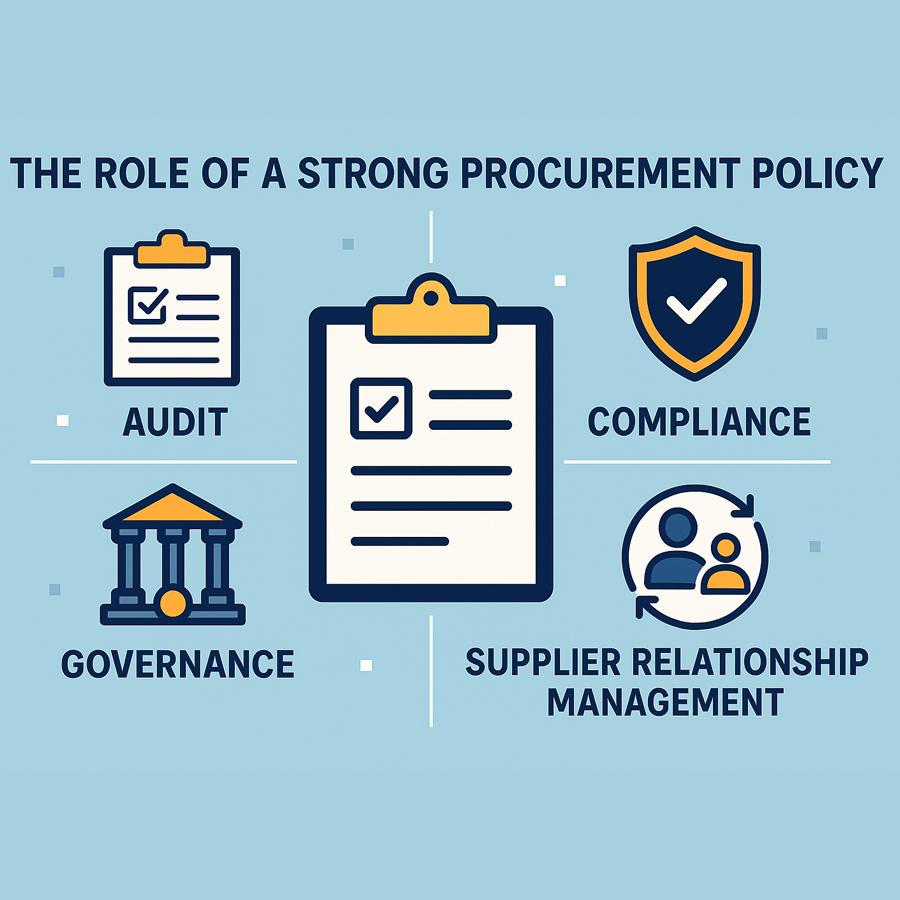
The Role of a Strong Procurement Policy: Emphasizing Audit, Compliance, Governance, and Supplier Relationship Management
By GagnaPro Solutions – Procurement Thought Leadership Series
Introduction
In today’s hyper-competitive service industry, procurement has evolved from a back-office function into a strategic driver of business value. Service-based organizations—ranging from hospitality and healthcare to IT and professional services—rely on a complex network of external providers to deliver critical operations, maintain customer satisfaction, and fuel innovation. As the sector’s reliance on outsourced services deepens, so does the need for robust procurement frameworks that not only optimize costs but also safeguard reputation, ensure regulatory compliance, and build resilience against market disruptions.
A recent industry analysis reveals that robust supply chain risk management can deliver over 70% additional value to a company’s brand in the service sector. Yet, procurement’s strategic contribution is often underestimated, overshadowed by its intangible outcomes and the misconception that its role ends with contract signing. For C-suite executives, the imperative is clear: embedding a strong procurement policy anchored in audit, compliance, governance, and supplier relationship management is essential for future-proofing operations and sustaining competitive advantage.
Audit: Driving Transparency and Continuous Improvement
A procurement audit is not merely a regulatory checkbox; it is a strategic tool for uncovering inefficiencies, mitigating risks, and driving continuous improvement. In the service industry, where intangible deliverables and long-term contracts are the norm, periodic audits provide the transparency and accountability needed to ensure that procurement activities align with organizational objectives.
Key Benefits of Procurement Audits:Notably, 89% of organizations have reported experiencing supply chain disruptions in recent years, underscoring the importance of robust audit mechanisms to identify and address emerging risks before they escalate. The adoption of AI-driven procurement management tools is further enhancing audit efficiency, enabling rapid analysis of large datasets and more precise identification of improvement areas.
Compliance: Safeguarding Integrity and Reputation
Procurement compliance is the backbone of ethical and effective service delivery. It encompasses the policies, procedures, and controls that ensure procurement activities meet legal, regulatory, and organizational standards. In service-based organizations, where contracts are often customized and supplier performance is variable, strong compliance frameworks are essential for minimizing risk and maintaining stakeholder trust.
Best Practices for Procurement Compliance:
The Organisation for Economic Co-operation and Development (OECD) recommends detailed compliance checklists to help organizations identify warning signs, errors, and suspicious behaviors during procurement processes. This proactive approach not only reduces the risk of non-compliance but also enhances the organization’s reputation as a responsible and trustworthy market player.
Governance: Enabling Strategic Alignment and Accountability
Procurement governance provides the strategic framework that defines how procurement should operate within the broader context of organizational goals. It encompasses the structures, policies, and oversight mechanisms that ensure procurement activities are consistent, transparent, and aligned with business priorities.
Core Elements of Procurement Governance:
Strong governance is particularly critical in service industries, where procurement decisions often have direct implications for customer experience, operational continuity, and brand integrity. By embedding governance principles—such as transparency, accountability, and strategic alignment—organizations can ensure that procurement serves as a lever for sustained growth and risk mitigation.
Supplier Relationship Management: Building Resilience and Innovation
Conclusion: Strategic Recommendations for C-Suite Leaders
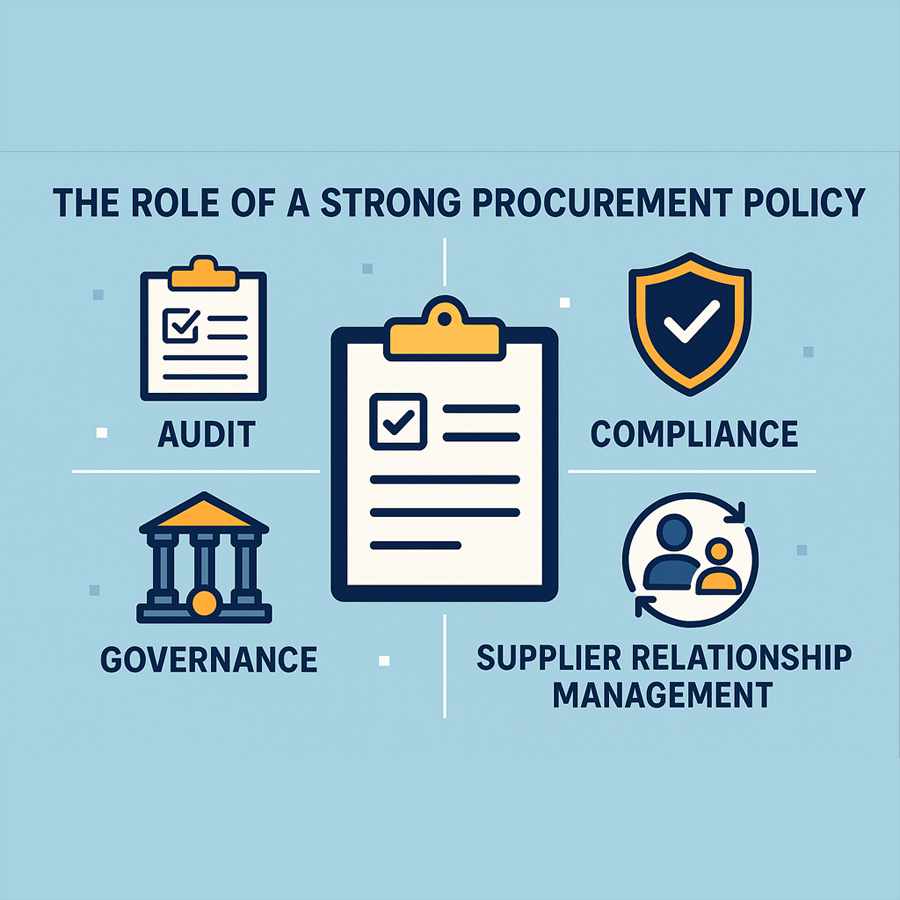
As service-based organizations face mounting pressures from digital disruption, regulatory scrutiny, and evolving customer demands, the role of procurement has never been more critical. A strong procurement policy—anchored in audit, compliance, governance, and supplier relationship management—serves as a foundation for business resilience, cost efficiency, and reputational strength.
Strategic Recommendations:
- Elevate Procurement to a Strategic Function: Position procurement as a core contributor to business strategy, not merely a transactional or administrative task.
- Invest in Technology and Analytics: Leverage AI-driven tools for audits, compliance tracking, and supplier performance management to unlock actionable insights and drive continuous improvement.
- Foster a Culture of Compliance and Governance: Embed robust policies and transparent processes across the organization to ensure alignment with legal, ethical, and strategic objectives.
- Prioritize Supplier Collaboration: Move beyond transactional relationships to build long-term partnerships that drive innovation, resilience, and customer-centric outcomes.
- Regularly Review and Update Procurement Policies: Stay ahead of regulatory changes, market trends, and emerging risks by continuously refining procurement frameworks and practices.
By embracing these pillars, C-suite executives can transform procurement from a cost center into a strategic enabler—future-proofing their organizations and unlocking sustainable competitive advantage in the dynamic service industry landscape.